The 12 Brand Archetypes: what they are and how to use them to define a brand’s character
On this page
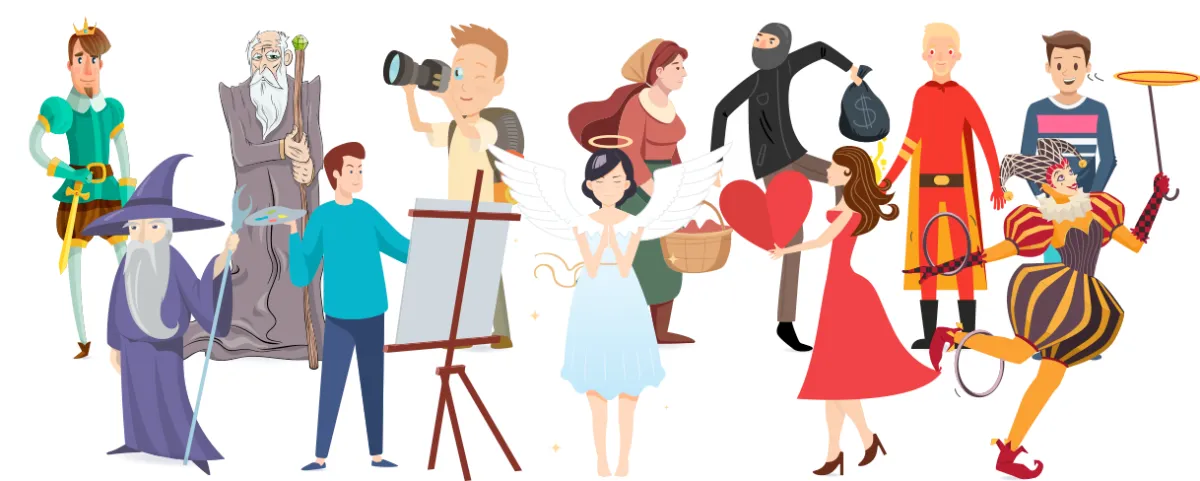
Archetypes are universal images and forms that are reflected in humanity’s collective unconscious, and are used to represent recurring themes in dreams, myths and stories. These archetypes, theorised by Carl Gustav Jung, are powerful communication tools which, when applied correctly, can forge a deep connection between your brand and its audience. Today we’ll explore Jung’s 12 archetypes, providing a concrete example of a brand for each one, and how to use them to strengthen your brand’s identity and strategy.
What are Brand Archetypes?
Brand archetypes are universal patterns of behaviour that represent deep-seated human motivations. These archetypes are rooted in the emotions and life experiences of every individual, and are therefore powerful in creating an emotional connection with your audience. When your brand embodies one of Jung’s archetypes, it conveys a strong and consistent meaning, making it easier for people to recognise themselves in and identify with your message.
Jung’s 12 Archetypes
The Magician
This archetype is linked to transformation and change. It symbolises magic, vision and the ability to achieve the impossible.
Example: Red Bull. Red Bull does not just sell an energy drink, but an experience that transforms the ordinary into the extraordinary. Its involvement in sport, such as Formula 1, reflects the desire to stimulate change and growth through exceptional experiences.
Hero
The Hero is the fighter, the victor, the one who overcomes difficulties to achieve a goal.
Example: Nike. Nike embodies the Hero archetype, encouraging people to push beyond their limits with its famous slogan ‘Just Do It’. Every campaign is designed to inspire courage and perseverance in achieving goals.
Outlaw
This archetype represents rebellion and a defiance of convention. It loves to break the rules.
Example: MTV. MTV shook up the traditional television landscape, becoming a symbol of youth culture that challenges authority and promotes individuality.
The Innocent
The Innocent archetype is one that seeks purity, happiness and simplicity.
Example: Disney. Disney embodies the Innocent through fantastical worlds and timeless fairy tales, inviting audiences to believe in a better world, where magic and happiness are within everyone’s reach.
Explorer
The quest for adventure and freedom lies at the heart of the Explorer.
Example: Land Rover. With its message of freedom and discovery, Land Rover embodies the Explorer archetype, inspiring adventure lovers to discover new horizons amidst the wilderness.
The Sage
The Sage symbolises the quest for truth and knowledge.
Example: Discovery Channel. Discovery Channel embodies the Sage, offering educational and informative content that stimulates curiosity and the desire to understand the world, educating the public with facts and knowledge.
Sovereign
This archetype represents power, leadership and control.
Example: Rolex. Rolex embodies the Sovereign archetype, associating its brand with luxury and prestige, symbolising the status of those who wear its watches as a sign of success and power.
The Creative
The Creative is the archetype of innovation, thinking outside the box and creating something new.
Example: Apple. Apple embodies the Creative, with its ability to innovate and design devices that have changed the way we live, work and connect with the world.
Helper
The Helper is synonymous with generosity, care and altruism.
Example: Volvo. Volvo stands out for its commitment to people’s safety and wellbeing. With its communications centred on protecting lives, Volvo exemplifies the Helper archetype, always putting the customer first.
Lover
This archetype is linked to sensuality, passion and deep connection.
Example: Chanel. Chanel embodies the Lover, with its sophisticated and sensual style. Every product, from perfume to fashion, evokes intimacy and seduction, creating a deep emotional connection with its customers.
Jester
The Jester is the archetype of light-heartedness, humour and breaking the routine.
Example: Ben & Jerry’s. Ben & Jerry’s embodies the Jester, with its playful approach and tongue-in-cheek marketing. Its fun and provocative campaigns tap into the desire for change and light-heartedness.
Average Joe
The Average Joe is the archetype of normality, belonging and everyday life.
Example: Dove. Dove stands out as a brand that celebrates authenticity and inclusivity. Its campaigns, such as ‘Real Beauty’, seek to promote self-acceptance and a sense of belonging to a community of genuine, ordinary people.
How to use archetypes for your brand
- Define Your Brand’s Personality: identify which archetype best represents your brand’s personality. If your brand is synonymous with innovation and creativity, the Creative might be the right archetype. If, on the other hand, your brand positions itself as a mentor, the Sage will be the archetype that best represents you.
- Connect Emotionally with Your Audience: archetypes have a deep emotional connection with people. Choose the one that resonates most with the desires, fears and motivations of your target audience. If you’re looking to evoke courage, the Hero is the right archetype. If you want to convey a sense of belonging, the Everyman is ideal.
- Build a Coherent Narrative: archetypes do more than just define a brand’s character; they also help create a powerful and coherent narrative. Ensure that every aspect of your communication, from the logo to the typography, reflects your chosen archetype.
- Stand Out from the Competition: analyse your competitors and how they use archetypes. Find an opportunity to differentiate yourself by choosing an archetype that hasn’t yet been fully exploited in your sector. By doing so, you’ll be able to stand out and carve out a unique position in the market.
Conclusions
Jung’s archetypes are extraordinary tools for creating authentic and powerful communication. When used correctly, they can increase the emotional connection between your brand and consumers, making your message more memorable and impactful. Identifying and applying the right archetype for your brand is a crucial step towards effective and engaging communication.
By using brand archetypes, you can build an identity that speaks to people’s hearts, creating a connection that goes beyond the mere product or service. Choose the archetype that best represents your essence and let your communication resonate with your audience in an authentic and powerful way.
Contact us and we’ll develop the right communication strategy for your brand.